Mughal Gardens - Boulevard - Zabarvan Hills


Zabarvan Hills
The mighty Mughal emperors laid out a series of exquisite gardens on the foothills of the Zabarvan Hills overlooking the Dal Lake. These include Cheshma Shahi, Nishat and Shalimar. Other sites include the Botanical Garden below Cheshma Shahi and Pari Mahal, an ancient Mughal observatory above it. Harwan is a garden on the banks of a reservoir while the Dagwan stream flows through the Dachigam National Park nearby. Beyond Harwan lies Dara overlooking the Kashmir Valley from its vantage point in the Zabarvan Hills.
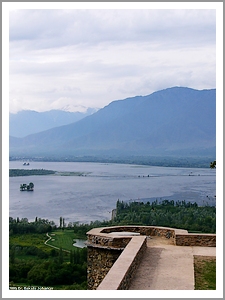


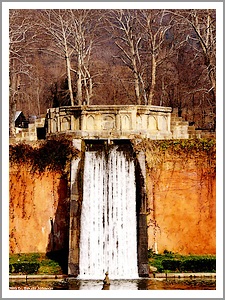
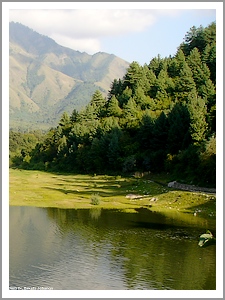
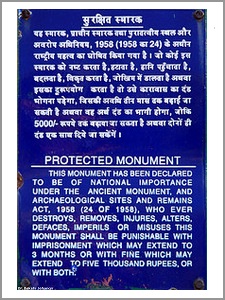
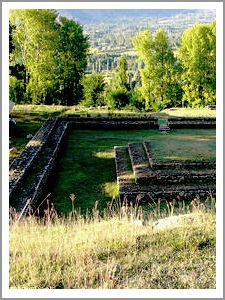
A short walk up the hills from the Harwan gardens and reservoir lie the ancient monuments marking the spot where the Kushan emperor Kanishka held the Fourth Great Buddhist Council in the first century. On one trip to the monuments I was looking down at the ruins of the great hall of the council when I heard a long drawn out Ommmmmmmmmmmmmmmm... For the briefest of moments I imagined myself back in Ladakh with long-forgotten memories of sacred Buddhist chants ringing out as clear as crystal in my mind. Startled, I looked up and realised that the sound was being generated by the wing beats of a large dragonfly hovering above my head. Indeed the site has the wondrous stillness I have experienced at other Buddhist sites especially the Alchi Monastery in Ladakh. One has to marvel at the perfection of the spot chosen by the Kushan emperor and experience in person the unparalleled vistas of the Dal unfolding against the grandeur of the Zabarvan cliffs as the backdrop. No panoramic photographs can do it justice.
Bird Roll Call :
Mughal Gardens/Zabarvan Hills : Black Bulbul, Himalayan Bulbul, Great Tit, Green-backed Tit, Streaked Laughingthrush, Golden Bush Robin, Common Stonechat, Dark-sided Flycatcher, Rusty-tailed Flycatcher, Asian paradise-flycatcher, Paddyfield Pipit, Tree Pipit, Brown-fronted Woodpecker, Scaly-bellied Woodpecker, Tickell's Thrush, Barn Swallow, Ashy Drongo, Eurasian Golden Oriole, Eurasian Jackdaw, House Sparrow, House Crow, Long-tailed Shrike, Large-billed Crow, Blue Whistling Thrush, Black Kite, Rock Pigeon, Eurasian Collared Dove, Common Myna, Little Egret, Grey Heron, Indian Pond Heron, Whiskered Tern, Common Teal and Common, Pied, and White-throated Kingfishers and a variety of warblers and flycatchers.
Dachigam National Park/Dagwan Stream : Himalayan Bulbul, Great Tit, Green-backed Tit, Streaked Laughingthrush, Common Stonechat, Dark-sided Flycatcher, Rusty-tailed Flycatcher, Tree Pipit, Brown-fronted Woodpecker, Scaly-bellied Woodpecker, Tickell's Thrush, Barn Swallow, Ashy Drongo, Eurasian Jackdaw, House Sparrow, Russet Sparrow, House Crow, Long-tailed Shrike, Large-billed Crow, Blue Whistling Thrush, Black Kite, Rock Pigeon, Eurasian Collared Dove, Common Myna, Indian Pond Heron, Yellow-billed Blue Magpie, Common, Pied, and White-throated Kingfishers and a variety of warblers and flycatchers.
.
All these destinations are accessed via the Boulevard Road which runs along the shore of the Dal Lake. A variety of birds can be observed birds can be observed simply by walking or cycling along the Lake. Birds observed along the lake shore include Plumbeous Redstart, Clamorous Reed Warbler, Isabelline Wheatear, Rosy Pipit, Himalayan Bulbul, House Sparrow, Long-tailed Shrike, Common Myna, Rock Pigeon, Eurasian Collared Dove, Eurasian Cuckoo, Common Hoopoe, Common Starling, Eurasian Jackdaw, Long-tailed Minivet, Tree Pipit, Rose-ringed Parakeet and House Crow.
More info about the birds of Dachigam is available here. More info about lake birds of Kashmir is available here.

